



Having a busy Q3 and Q4, personally and professionally, meant my newsletter had to sit quietly in the corner for a while.
Between getting married, hosting our civil reception, having shoulder surgery, and working with some genuinely brilliant brands, something had to give. And as my partner keeps reminding me: you can’t do everything, all at once, at a high level.
Insert cute little pick from our civil wedding below:
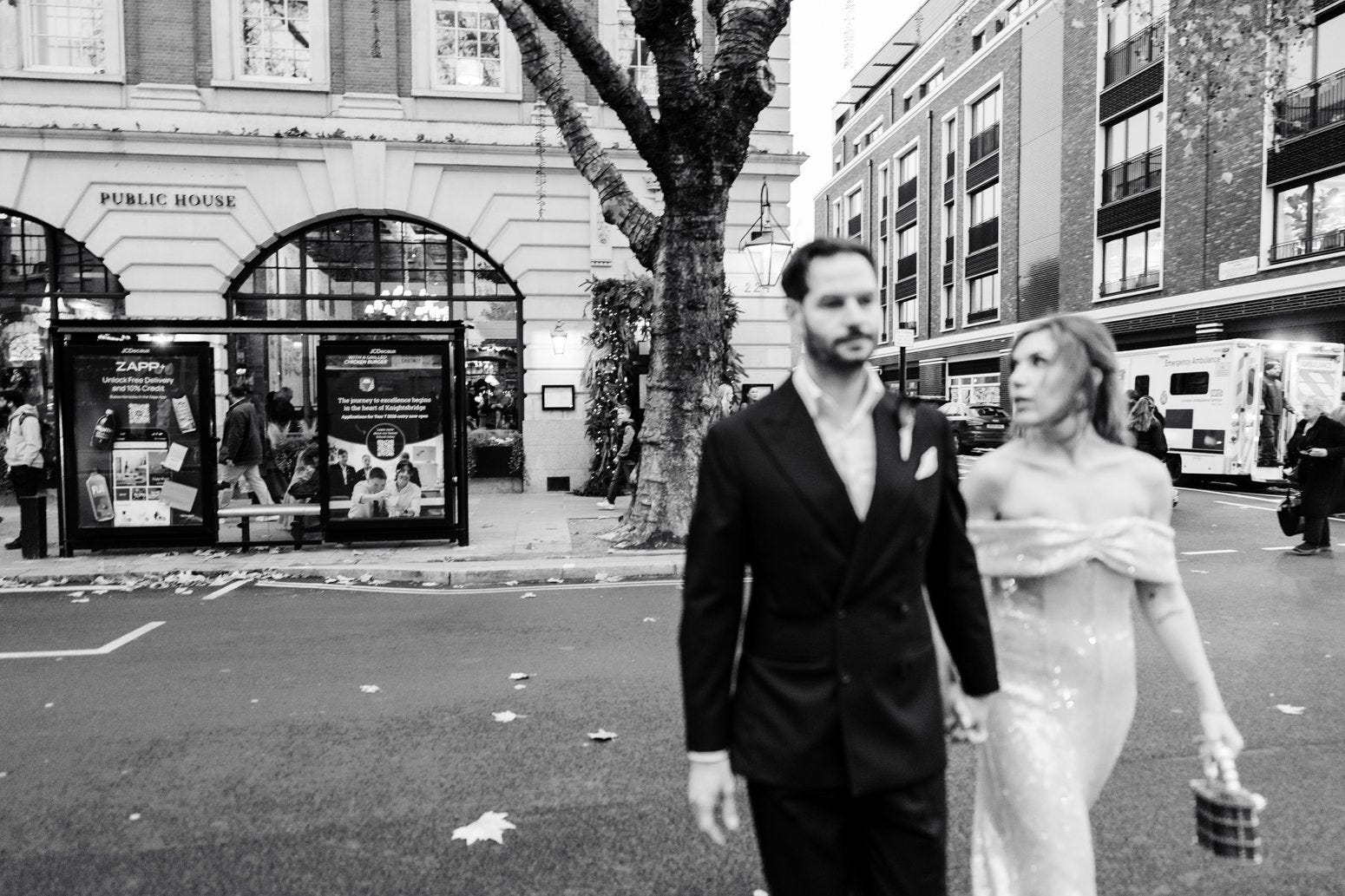
So the newsletter paused. Not because I ran out of opinions (never that), but because I needed to prioritise being human for a minute. I’m not brilliant at switching off, but I have been working on this the last few years with my therapist (hope I made her proud), so this was me practising what I preach. This pic below was from a recent getaway trip in the English countryside at Somerset back in November.

Now I’m back, with more energy, more perspective, and a lot more conversations under my belt.
With the holiday break is behind us, I wanted to share something practical: a guide to what actually constitutes good social content as we step into 2026, based on recent work with brands, agencies and platforms, and countless conversations about what’s changed and what still works
Before we get to examples of great work, let’s start with the foundations.
Social media algorithms have become far less predictable. There was a time when publishing a solid piece of content came with a reasonably reliable expectation of reach. That sense of certainty has largely disappeared.
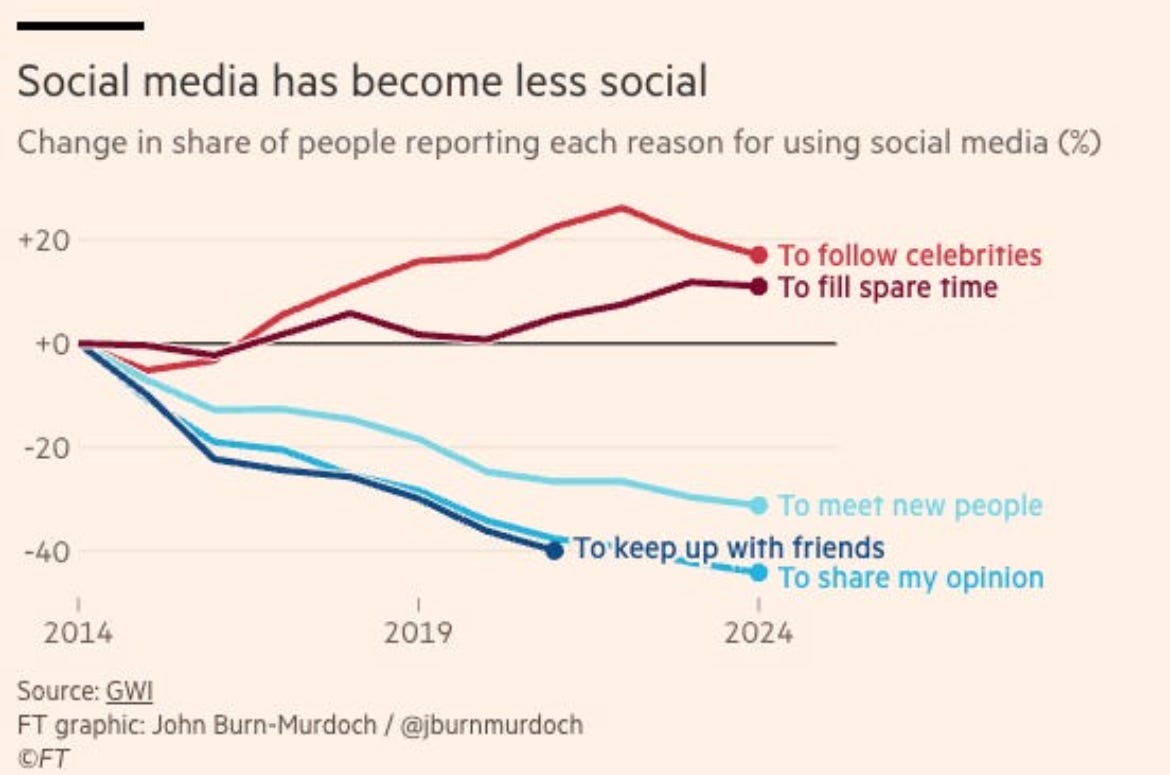
At the same time, the way people use social platforms has fundamentally shifted. As Derek Thompson has observed, only a small fraction of time spent on social media today is genuinely “social”, meaning checking in with friends and family. The majority of time is now spent watching video content, much of it from creators users don’t personally know. Meta has reported that over 80% of time on Facebook and more than 90% on Instagram is dedicated to video consumption.
In other words, social platforms have quietly moved away from connection and towards consumption. And that shift has significant implications for how content needs to be made, framed and earned.
Today, if a post doesn’t generate shares — not just likes — it’s likely to disappear quietly. Follower-based distribution has been replaced by recommendation systems optimised for discovery, DMs, Reels and watch time.
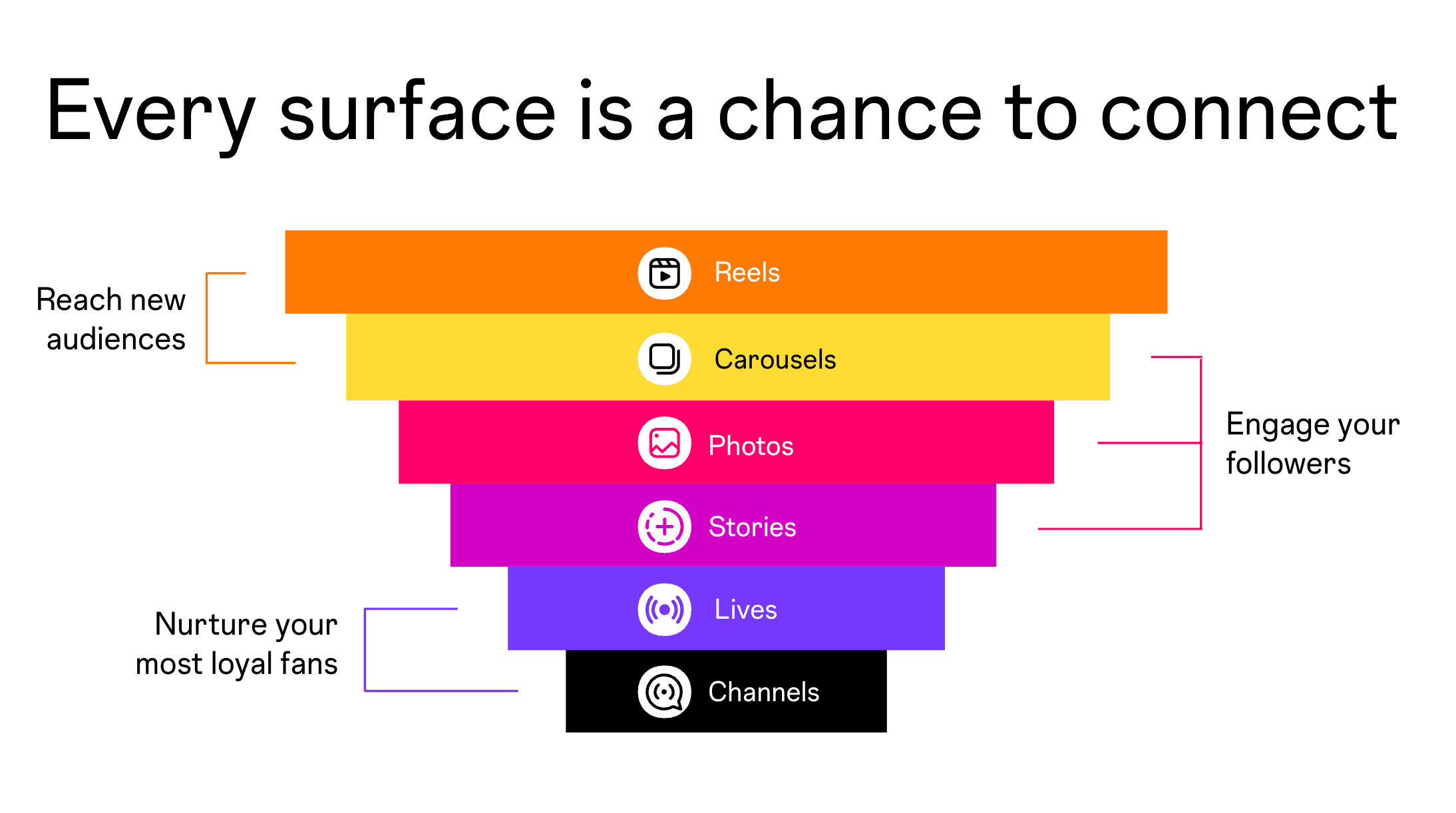
Instagram has been explicit about this. Adam Mosseri has announced back in September last year that followers matter far less than they used to. The algorithm cares more about whether people send, save or stick around.
I keep coming back to a simple question: what makes someone stop, stay, and send?
That’s the bar. Not “did they watch”. Not even “did they like”. But: did they share it with someone else? Did it earn a DM? Did it turn into a tiny social object that travelled?
That’s the building block.
So what do you actually need to create good social content now?
A) Hooks: Capturing Attention AND Keeping It
I know the word “hook” has developed a bad reputation thanks to certain corners of the internet, but to be clear: a hook isn’t a trick, a gimmick, or a box-ticking exercise.
People aren’t stupid. They can smell clickbait from three swipes away. And yes, you’ll still see plenty of “You won’t believe this…” intros doing numbers, but it’s the creative equivalent of cheap perfum; loud at first, then vaguely nauseating.
You don’t need to shout, exaggerate, or promise life-changing revelations that never arrive. But when people scroll the height of the Statue of Liberty every day, you do need to give them a reason to stop. Attention is no longer guaranteed. It’s earned, every single time.
Jason Murray (@jason_swet) articulates this brilliantly, using examples from film, TV and books. Think about the opening scene of The Dark Knight or the first episode of Breaking Bad. They don’t explain themselves. They pull you in.
A useful way to think about it is this:
HOOK = Visual × Text × Audio
Visual: the aesthetic, the framing, the movement
Text: what’s written or said and how fast
Audio: music, voiceover, rhythm
Jacquemus is a masterclass here. The visual world is instantly recognisable. The angles feel intentional. The pacing is confident.
People scan before they commit. Familiarity buys you milliseconds. Consistency buys you trust.
B) Music
Music is one of those things everyone agrees is important, right up until legal says “absolutely not” and the idea dies in a shared doc like a sad little plant.
Rachel Karten has written about this topic with the clarity we all wish we had in our internal decks. Her core point is uncomfortable but necessary: platform access doesn’t automatically equal legal permission, and risk tolerance varies wildly by brand. And I’sure you don’t wish to end up like Iconic London, who was sued by Warner Music.
One line from my own lived reality sums it up: I’ve turned down more ideas than I can count because they were built on a trending track we simply couldn’t touch.
But this is also where brands can get smarter. If trending audio is the easy sugar hit, sonic identity is the long game. Rajeev Raja, founder of BrandMusiq, puts it well on this WARC opinion article: it’s not a one-off campaign flourish, it’s an audio fingerprint — as recognisable as a logo, but felt rather than seen.
I’ve seen this work brilliantly when brands treat sound as a system: a palette of moods, instruments, rhythms, and voice choices that reinforce the brand over time. For Snickers (disclaimer I brand I work with), for example, we adapted iconic cues for social-first contexts, not copying old assets, but translating them into a digital language that still carried the brand’s memory.
C) Characters & People: Faces Still Matter (Mostly)
We’ve moved from faceless brand feeds to humanised ones and now, interestingly, faceless content is surging again.
On the creator side, it makes sense. Anonymous voiceover, slick B-roll, tightly defined niche, repeatable templates. It’s efficient. It scales. And if you obsess over one subject, you can build a surprising amount of trust without ever showing your face. According to TikTok & Digiday, #faceless has hundreds of thousands of posts, and networks like AffiliateNetwork.com report creators earning significant monthly income.
For brands, though, I’m going to be annoyingly firm: if you want emotional connection and long-term trust, you need humans. Not necessarily founders monologuing daily, but a consistent cast of characters your audience can recognise.
This is the part many brands skip: they hire a creator, run a few UGC ads, then wonder why nothing sticks.
A better question is: who are the recurring people in your content universe? The founder, the product expert, the community manager, the scientist, the maker, the customer, the creator who “feels” like the brand. Not as a one-off campaign device, but as a pattern.
And just as importantly: what do they stand for and how do they show up repeatedly?
From Currys making his employees the main characters of the content (and yes we know it’s not actually the real employees but paid creators) and Oxford University using their professors the star of their show to Patch (disclaimer I brand I work with) using their Plant Doctor to share useful tips & answer plant related questions.
Faceless content can absolutely support distribution, but I wouldn’t recommend it as a brand’s owned voice.
D) Social SEO: discovery is a design choice
If you’re not thinking about social SEO in 2026, you’re working too hard for too little.
Discovery doesn’t happen by accident anymore. It’s increasingly intent-driven: people searching, asking, researching, comparing. And platforms are meeting them there.
Ofcom’s latest report is a reminder of how much time we’re all spending online and how platform habits keep shifting. UK adults now average four and a half hours online daily, up year-on-year, with YouTube used by 94% of adults.
When attention is this fragmented, search becomes a stabiliser. It’s how people find useful content when they’re not in “scroll for fun” mode.
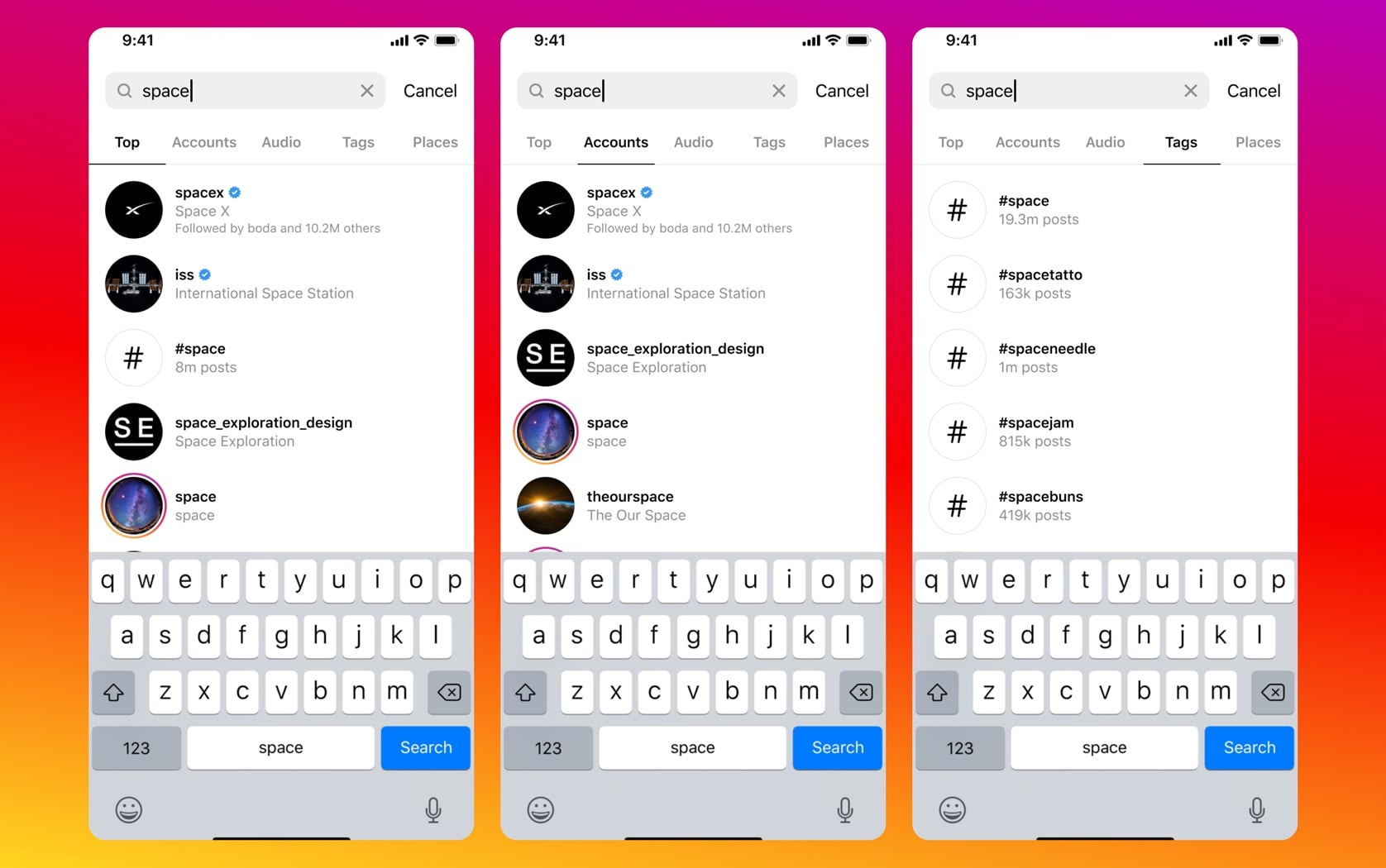
So our job isn’t only “make it engaging”. It’s also “make it findable”. That means thinking about keywords in titles and captions, what’s said in voiceover, subtitles, alt text, and even location tagging when relevant.
TikTok’s Creator Search Insights is one of the most straightforward tools you’ll ever get from a platform: it shows you what people are actively seeking answers to. Also you can find here a helpful article by Search Engine Land on how to use it.
And Instagram’s own explanation of search is broadly consistent: it prioritises matching search text, user activity, and signals like popularity and recency.
Not glamorous but very effective.
E) Recurring formats: social is moving into the living room
Here’s the part that’s both obvious and still slightly surreal: social is becoming television in a literal way, not just a metaphorical one.
And this shift isn’t theoretical. Just the other day, Procter & Gamble announced it’s working on a full social-first soap opera. The Golden Pear Affair is a 50-episode “micro-soap”, launching initially on social platforms and later expanding into a bespoke mobile app, according to Variety. It’s also worth remembering this isn’t a sudden creative whim for Procter & Gamble. The company has been entwined with serialised storytelling for nearly a century; it’s just shifting that instinct into a social-first context.

 Tiktok failed to load.
Enable 3rd party cookies or use another browser
It’s a telling move, not because every brand should suddenly produce a soap, but because it shows how seriously the biggest advertisers in the world are taking serialised storytelling on social. This is not campaign thinking. It’s programming thinking. Long arcs, recurring characters, anticipation, and habit-building; the same mechanics that have kept people watching television for decades, now designed for feeds, not schedules.
You can see this shift everywhere. From YouTube securing the Oscars broadcast from 2029, to Netflix expanding into podcasts, to social video moving decisively into the living room.
As of 16 December 2025, Instagram is testing a dedicated TV app for watching Reels, launching first in the US on Amazon Fire TV devices.
This isn’t a cute side project, it’s a signal. People are already watching short-form video on big screens, and platforms are following the behaviour. The living room is becoming part of the social battleground and the ad money sitting behind connected TV makes that even more inevitable.
Which brings us neatly to formats. It is exhausting to invent from scratch every week. To chase trends. To constantly reset your audience’s expectations. Episodic content - recurring series, repeatable formats — solves this in a way that’s both creative and operational
It builds familiarity and reduces production chaos. It gives you something to refine instead of reinvent. It also makes the algorithm’s job easier: it understands what you do, who it’s for, and when to serve it.
Rachel Karten calls this out well in her writing on “focus your feed”: the power of repeatable structure — place, characters, format, editing style — is that it trains the audience and the platform at the same time.
I’d add one more ingredient: distinctive brand assets. Colour, sonic cues, tone, framing. Things that make your content recognisable in half a second.
You can see this working beautifully in formats like Craighill’s design deep dives, Mr Lohause’s quietly cinematic adventures, a refined Lisbon gentleman sipping espresso, always in their glasses, InStyle’s The Intern, which turns a simple premise into a recognisable world through tone and repetition. Different categories, different audiences, but the same discipline. Each feels familiar because it is built, deliberately, that way.
Closing thoughts
This isn’t exhaustive. But it is what I’d call table stakes for good social content in 2026: hooks with craft, sound with intent, humans with consistency, discovery by design, and formats that build familiarity over time.
The goal isn’t to please algorithms at the expense of people. It’s to build creative systems that respect both and still feel like you.
If you think I’ve missed something, please tell me. I mean that genuinely. I’m collecting notes like a magpie.
To start the year, here are a few things I’ve loved recently:
– A View from the Bridge Christma’s take ( talking about serialised content)
– Barbour × @JosephMachines collaboration
– @joshfavaloro - A sharp take on creative faceless accounts
– A format by @noellehamoe I’d happily watch ten more episodes of
– Rains’ genuinely thumb-stopping ads like this one and that one
– Porsche’s human-made animated holiday film
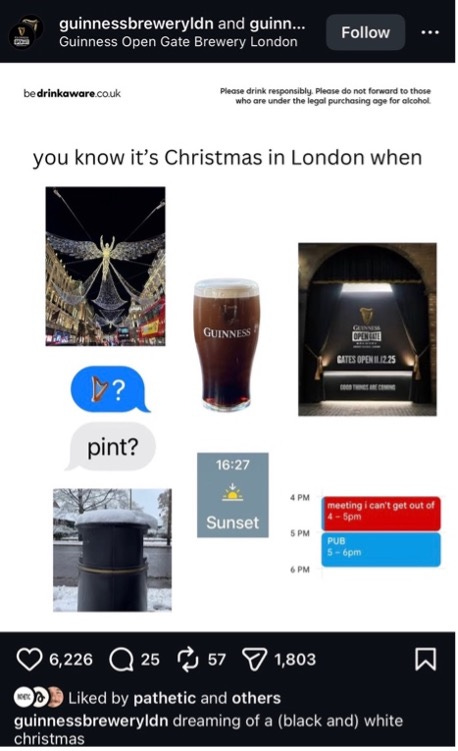
– And a very good Guinness meme ad that reminded me humour still works when it’s earned
Thank you for reading; here’s to a thoughtful 2026. See you on the other side.
“Today, if a post doesn’t generate shares — not just likes — it’s likely to disappear quietly. Follower-based distribution has been replaced by recommendation systems optimised for discovery, DMs, Reels and watch time.”
Yes. That shift changes what success looks like. Distribution now depends less on who follows you and more on whether the content travels.